Solar panels can help you cut energy bills, reduce your carbon footprint and protect yourself against rising electricity prices.
This guide from Spartek solar panel installers explains how solar works, what it costs, and how to get started with confidence.
Over 2 million UK homes now have solar panels installed, and falling equipment costs alongside higher electricity prices mean solar is increasingly a smart choice for many households.
Why consider solar?
Solar panels convert daylight into electricity for your home. They still generate power on cloudy days - just at lower levels.
With electricity prices remaining well above pre‑2022 levels, a typical 3-4 kW system can make a meaningful dent in your energy bills. Adding a battery can increase savings further by storing power for use in the evening.
Watch as Lee from Spartek explains the solar panel installation at our home retrofit project in Cambridge.
Practical 10-step guide to solar panels
1. Understand your energy use
The right system size depends on how much electricity you use.
Start by:
-
Reviewing your annual kWh usage from energy bills
-
Using 2,700 kWh/year as a typical UK benchmark
-
Looking at when you use energy (daytime vs evening)
Tip: Smart meters, energy apps and in-home energy monitors make this easier and more accurate. Most suppliers have online tools that give you a rough quote in a few minutes.
2. Choose the right panels
Most UK homes now install monocrystalline panels, which are:
-
More efficient (generate more power per m²)
-
Better in low light (a big plus under British skies)
-
More space-efficient for rooftops
Modern systems typically use N‑type (TOPCon or HJT) panels, which:
-
Maintain performance longer
-
Perform better in cloudy conditions
-
Have strong 25‑year warranties
What to look for:
-
Tier‑1 manufacturer (financially stable, reliable warranties)
-
400–450W panel outputs (typical for homes)
-
25‑year performance warranty (≥87–92% output retained)
Tip: If your roof space is limited, higher‑efficiency panels are usually worth the slightly higher cost. The scaffolding, labour, inverter and electrical work cost the same whether you fit budget or premium panels, so the price gap on the panels themselves is a much smaller share of the total than people often expect.
3. Check your home is suitable
Solar works best on roofs with:
-
South-facing orientation (east-west also works well)
-
Minimal shading
-
Good roof condition
Most homes in England can install solar under permitted development rules, provided panels:
-
Don’t protrude more than 200 mm
-
Respect conservation or listed building restrictions
Tip: Your installer will confirm this during a survey.
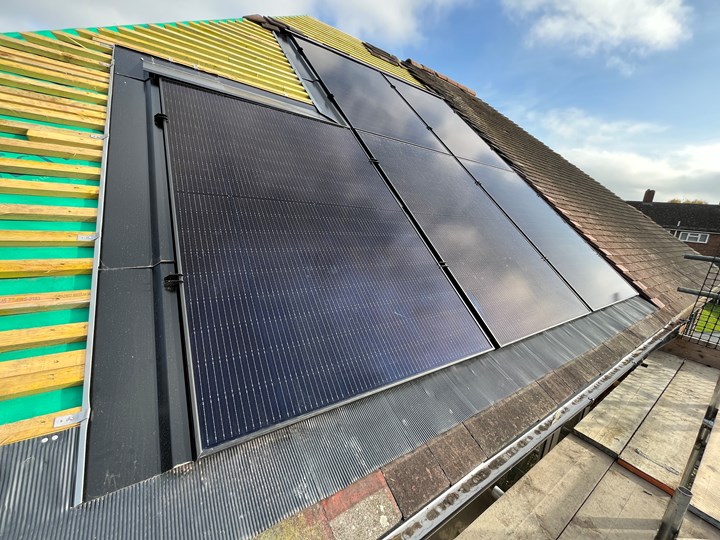
3. Check your home is suitable
Solar works best on roofs with:
-
South-facing orientation (east-west also works well)
-
Minimal shading
-
Good roof condition
Most homes in England can install solar under permitted development rules, provided panels:
-
Don’t protrude more than 200 mm
-
Respect conservation or listed building restrictions
Tip: Your installer will confirm this during a survey.
4. Choose a trusted installer
Always look for MCS-certified installers, as this ensures:
-
Your system meets UK quality standards
-
You qualify for the Smart Export Guarantee (SEG)
Also check:
-
Customer reviews (e.g. Trustpilot)
-
Trade memberships (RECC, HIES, NAPIT)
-
Workmanship warranties
-
Aftercare support
Tip: Get at least 3 quotes with identical specifications for comparison.
5. Understand the costs
Solar costs vary depending on system size, roof complexity and components.
Typical UK prices (2026)
|
System size |
Typical home |
Cost (no battery) |
With battery |
|
2–3 kW |
Flat / small home |
£4,000–£5,500 |
£7,500–£10,500 |
|
3–4 kW |
Typical family home |
£5,500–£8,500 |
£9,500–£12,500 |
|
5–6 kW |
Larger home |
£8,500–£11,500 |
£12,000–£15,000 |
|
7 kW+ |
High usage / EV |
£11,000–£14,500 |
£14,500–£18,000+ |
A battery typically adds £2,500–£5,000, depending on size.
Tip: Ensure quotes include all costs (labour, scaffolding, DNO approval, and paperwork).
6. Consider useful add-ons
-
Battery storage
Boosts self-use of solar energy (from ~30% to ~70–75%)
-
Smart Export Guarantee (SEG)
Get paid for surplus electricity sent to the grid
-
Monitoring apps
Track performance and optimise usage
-
EV charger integration
Ideal if you own or plan to own an electric vehicle
7. Savings and payback
Typical returns:
-
Payback period: 5–7 years
-
Annual savings: £400–£700 (bills)
-
SEG income: £100–£250/year
-
With battery: £600–£1,000+ total annual value
Over 25 years, a system may deliver £10,000–£18,000 net benefit.
Tip: The more solar energy you use directly, the faster your payback.
8. Installation: what to expect
Most installations take 1–2 days.
The process:
- Scaffolding setup
- Mounting panels
- Inverter installation
- Electrical connection
- Testing and certification
After installation, you’ll receive:
-
MCS certificate
-
Warranty documents
-
Guidance on monitoring
-
Support registering for SEG payments
9. Maintenance
Solar panels are very low maintenance.
-
Occasional cleaning if visibly dirty
-
Check for shading or debris
-
Monitor output via apps
Tip: Many systems include alerts if performance drops.
10. Lifespan and warranties
-
Panels last 25–30 years+
-
Inverters may need replacing after 10–15 years
Typical warranties:
-
Panels: 12–25 years (product)
-
Performance: 25 years
-
Inverter: 5–12 years
-
Installation: 2–10 years

Key questions to ask installers
-
What system size suits my usage?
-
What annual output is expected (kWh)?
-
Which panels and inverter are included?
-
Is there any shading risk?
-
What’s included in the total price?
-
Should I install a battery now or later?
-
What aftercare is provided?
Financial support
-
Smart Export Guarantee (SEG) – pays for exported energy
-
ECO4 / Warm Homes Plan – support for eligible households
-
Scotland: grants and loans via Home Energy Scotland
Final thoughts
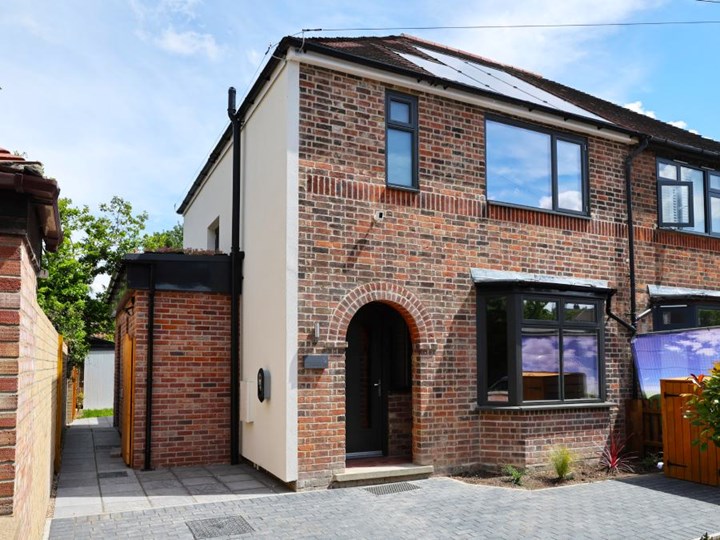
Solar panels are now a mainstream, reliable investment for UK homeowners.
If your roof is suitable and you use a reasonable amount of electricity, solar can:
-
Lower bills
-
Reduce emissions
-
Improve energy independence
The key is choosing a properly sized system and a reputable installer.
Important note
Prices, tariffs and incentives change regularly. All prices, rates and grant details in this guide are correct as of May 2026 and are drawn from Ofgem, MCS, DESNZ and major UK installers and suppliers.
Always confirm current details with suppliers before making a decision.
Produced by Spartek ECS Ltd. Spartek is a Norfolk-based solar and electrical contracting company supporting homeowners and businesses across East Anglia and beyond.
Sources: Ofgem energy price cap (April to June 2026), MCS, DESNZ, Federation of Master Builders, Which?, Solar Energy UK, supplier-published SEG tariffs (May 2026). Figures are indicative and will change over time.
Send me details
of the Solar panels: a practical 10-step guide for homeowners
If you do not receive the email with the information attached in a few minutes, please check your "junk mail" or "spam" folder.
We promise not to give your email to anyone else or use it for any other purpose than delivering the requested information.