A practical guide to transforming your home with sustainable upgrades
Our Ferndale Rise retrofit project demonstrates how ordinary homes can be transformed into carbon-positive, energy-efficient spaces. This guide explains each sustainable element we integrated, helping you understand the options available for your own home renovation journey.
Delve deeper to find out more about:
Mechanical ventilation with heat recovery (MVHR)
Walk through the design process of our retrofit project in Cambridge
Chris Senior, Director, PiP Architects led the architectural design of our Ferndale Rise retrofit project, collaborating with expert project partners to integrate as many sustainability features as possible.
His approach demonstrates how thoughtful design and careful coordination can transform ordinary homes into extraordinary examples of low-carbon living.
Solar Panels
What are they?
Solar photovoltaic (or PV) panels convert sunlight directly into electricity for your home. They sit on your roof, generating clean energy during daylight hours that can power appliances, charge batteries, or feed back into the grid.
Benefits
- Dramatically reduce electricity bills by generating your own power
- Cut carbon emissions by replacing grid electricity with renewable energy
- Earn money by selling surplus electricity back to the grid
- Increase property value with a highly desirable green feature
- Work particularly well with battery storage and heat pumps for maximum efficiency
Considerations
- Your roof needs to be in good condition with adequate south, east or west-facing space
- Initial investment varies depending on the size of your roof, and is typically several thousand pounds
- Most effective in areas with good sunlight exposure, though they work even on cloudy days
- Planning permission may be required for listed buildings or conservation areas
- Panels require minimal maintenance but should be kept clean and checked periodically
Learn more about solar panels
At Ferndale Rise, 12 panels produce around 3,000 kWh annually, helping the property achieve carbon-positive status. They work brilliantly alongside other retrofit measures, particularly heat pumps and battery storage, creating a comprehensive renewable energy system. Watch Lee from Spartek explain some tips for what to consider if you're thinking about installing solar panels for your home.
Solar Battery and Inverter
What is it?
A solar battery stores any extra electricity generated by your solar panels for use when the sun isn't shining. The inverter converts the DC electricity from panels and batteries into AC electricity your home can use. Together, they maximise the value of your solar installation.
Benefits
- Use stored solar energy in the evening and overnight instead of buying grid electricity
- Increase energy independence and reduce reliance on the grid
- Maximise return on solar panel investment by using more of the power you generate
- Provide backup power during grid outages if your system is configured for this
- Modular systems allow you to add more battery capacity as needed
Considerations
- Batteries add significant cost to solar installations, but prices are decreasing
- Need adequate space for battery storage, usually in your garage or utility room
- Battery capacity determines how much energy you can store and use overnight
- Most worthwhile if you have solar panels or plan to install them
- Technology is evolving rapidly, so consider future-proof modular systems
The bottom line
Battery storage transforms solar panels from a daytime power source into a 24-hour energy solution. At Ferndale Rise, our 5kW modular battery can be expanded later, demonstrating how flexible these systems can be. If you're investing in solar, adding battery storage significantly increases the benefits and helps achieve energy independence.
Air Source Heat Pump
What is it?
An air source heat pump takes heat from the outside air and uses it to heat your home and hot water. Even when it's cold outside, there's heat energy in the air that the pump can harvest and concentrate. It works like a refrigerator in reverse, providing efficient heating using electricity instead of gas or oil.
Benefits
- Dramatically reduce carbon emissions by replacing gas or oil heating
- Lower running costs, particularly when paired with solar panels and good insulation
- Eligible for government grants and incentives including the Boiler Upgrade Scheme
- Provide consistent, comfortable heating when correctly sized and installed
- Can provide cooling in summer when reversible systems are specified
Considerations
- Your home needs good insulation and airtightness for heat pumps to work efficiently
- Works best with underfloor heating or larger radiators due to lower operating temperatures
- External unit requires outdoor space and may produce some noise
- Higher upfront cost than conventional boilers, though grants can help significantly
- Professional heat loss calculations are essential for correct sizing and performance
Learn more about heat pumps
Heat pumps are the future of home heating and ideal for well-insulated homes.
At Ferndale Rise, a Daikin 6kW system replaced the old gas boiler, powering underfloor heating and radiators on both floors. Phil from Airway Group explains all about heat pumps in this short clip.
Combined with excellent insulation and solar panels, it creates an efficient, low-carbon heating system. Essential for achieving carbon-positive or near-Passive House standards.
External and Internal Insulation
Why it matters
Insulation creates a thermal barrier that stops heat escaping in winter and keeps your home cool in summer. External insulation wraps your house like a blanket, while internal insulation lines walls from inside. Both can be used in cavities, roofs, walls and floors to create a complete thermal barrier around your home.
Benefits
- Significantly reduce heating and cooling costs by retaining warmth in winter and coolness in summer
- Create more stable indoor temperatures throughout the year
- Eliminate cold spots, draughts and damp issues
- External insulation protects your brickwork and walls from weathering and can refresh external appearance
- The first step to lowering energy bills and a better EPC rating
Considerations
- External insulation may require planning permission and changes the building's appearance
- Internal insulation slightly reduces room size but is easier to apply without planning issues
- Different insulation types suit different building ages and construction methods
- Must be installed correctly with proper ventilation to prevent condensation and damp
- Works best when combined with airtightness measures for maximum efficiency
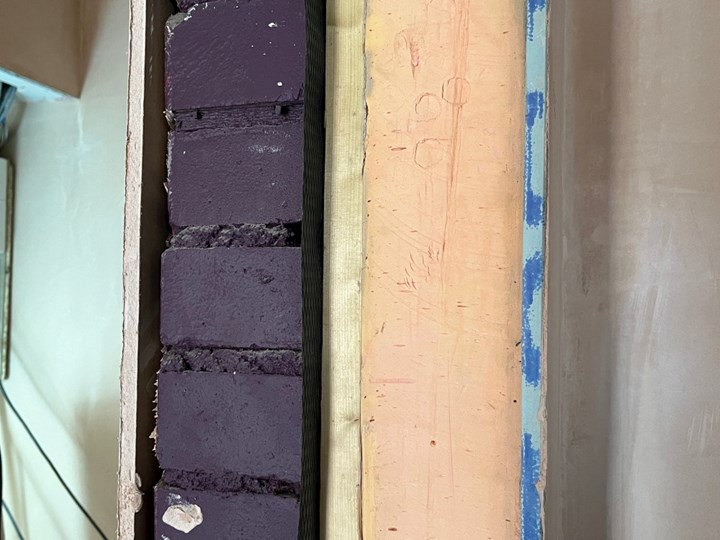
The bottom line on insulation
Insulation is the single most important retrofit measure for reducing energy consumption. At Ferndale Rise, we used internal, external, cavity, roof and floor insulation throughout to create a comprehensive thermal envelope. This investment pays back through reduced bills and improved comfort, making it essential for anyone serious about sustainable renovation.
This photo shows internal insulation sitting between an existing internal wall and plasterboard.
Liquid Membrane Airtightness
What is it?
A liquid membrane is a paint-on or spray-on product that creates an airtight barrier on walls, floors and ceilings. Once dry, it forms a flexible, continuous seal that prevents air leaking out while still allowing water vapour to pass through, which prevents condensation issues.
Benefits
- Dramatically reduce heat loss from air leakage around windows, doors and junctions
- Eliminate draughts, creating more comfortable living spaces
- Essential for making heat pumps and MVHR systems work efficiently
- Easier to apply than traditional tape systems for achieving excellent airtightness
- Can achieve Passive House standard airtightness levels
Considerations
- Must be applied by trained professionals to achieve optimal results
- Best applied during major renovation when walls and ceilings are accessible
- Requires controlled ventilation system to maintain indoor air quality
- Professional testing checks are needed to check air isn't leaking out anywhere
- Must be carefully applied around pipes, wires, vents and other openings
Learn more about airtightness
Airtightness is crucial for energy efficiency but often overlooked. At Ferndale Rise, liquid membrane applied to walls, floors and ceilings achieved Passive House-level airtightness of 0.54 air changes per hour. This exceptional performance ensures insulation works properly, heat pumps operate efficiently, and MVHR systems can function as designed. Critical for any deep retrofit aiming for outstanding performance.
Watch as Adam from Intelligent membranes explains what airtightness means for properties.
Mechanical Ventilation with Heat Recovery (MVHR)
What is it?
MVHR (Mechanical Ventilation with Heat Recovery) is a whole-house ventilation system that continuously takes the stale air out of your rooms and supplies fresh filtered air back in. The clever part is the heat exchanger, which transfers warmth from outgoing air to incoming fresh air, keeping up to 95% of the heat that would otherwise be lost.
Benefits
- Maintain excellent indoor air quality without opening windows
- Recover heat from extracted air, dramatically reducing heat loss
- Filter incoming air, removing pollen, pollution and allergens
- Control humidity levels, preventing condensation and mould
- Essential component for achieving Passive House or near-Passive House standards
Considerations
- Requires your home to be highly airtight to work effectively
- The pipes needed throughout the property need careful planning and space
- Best installed during major renovation when walls and ceilings are accessible
- Filters need replacing regularly, typically every six months
- Higher upfront investment but provides long-term comfort and energy savings
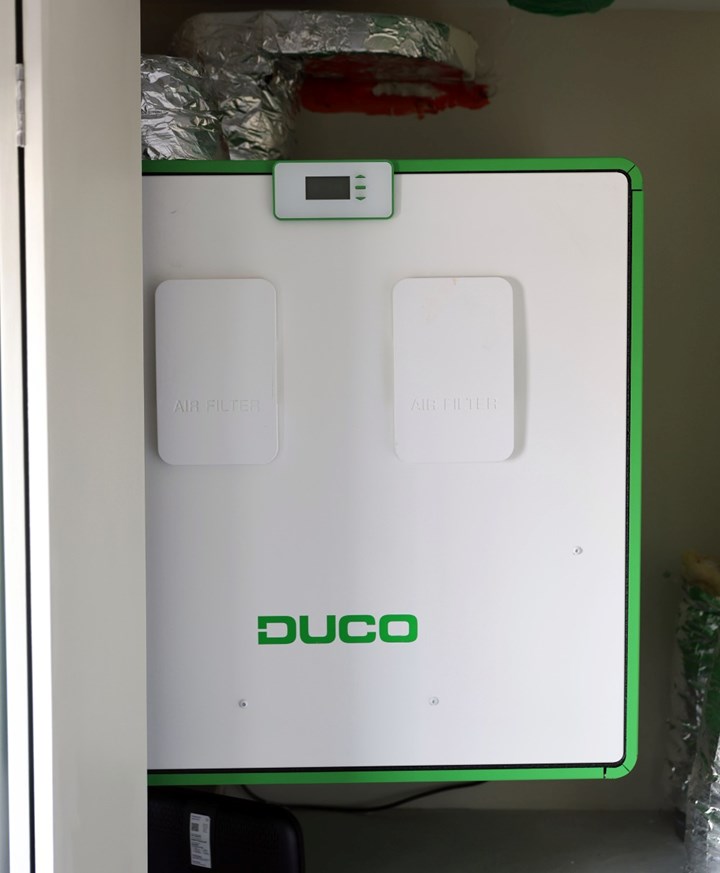
The bottom line on MVHR
MVHR is essential if you're creating a highly insulated, airtight home. At Ferndale Rise, the DucoBox Energy Comfort Plus system ensures fresh, filtered air throughout the property while recovering heat that would otherwise escape. It's the perfect partner to comprehensive insulation and airtightness measures, creating a healthy, energy-efficient living environment.
Rainwater Harvester Tank
What is it?
A rainwater harvesting system collects rainwater from your roof, stores it in an underground or above-ground tank, then filters and pumps it for use in toilets, washing machines and garden watering. It's free water that reduces both your bills and demand on mains supplies.
Benefits
- Reduce water bills by replacing mains water for toilets, washing and gardening
- Decrease demand on public water supply, particularly valuable during dry periods
- Reduce surface water runoff and flooding risk
- Rainwater is naturally ‘soft’, better for plants and reducing limescale in appliances
- Average UK household could save thousands of litres of mains water annually
Considerations
- Underground tanks require excavation but are invisible and frost-proof
- Tank size depends on roof area, rainfall and household water consumption
- System needs separate plumbing for harvested water, adding to installation cost
- Most cost-effective when installed during major renovation or new build
- Building regulations must be followed to prevent contamination of drinking water
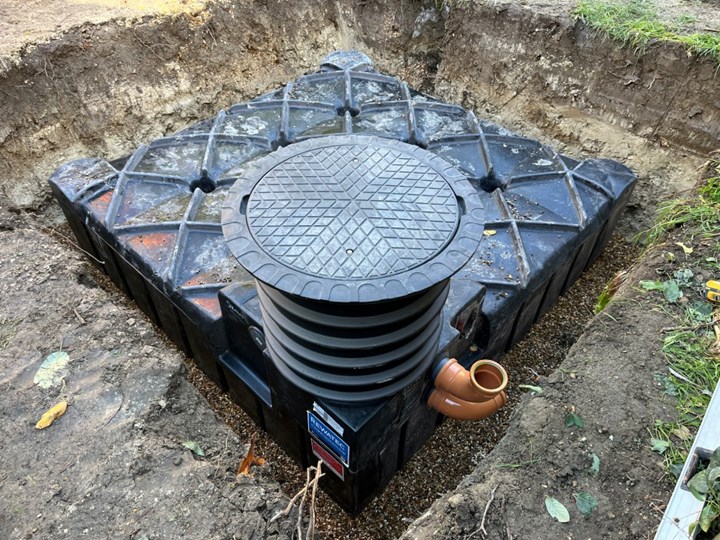
The bottom line on rainwater harvester systems
Rainwater harvesting is excellent for reducing water bills and environmental impact. At Ferndale Rise, our 3,000-litre underground tank supplies toilets, washing machine and garden, demonstrating how much free water your roof can provide. Best installed during major works when excavation and new plumbing are already happening.
Sedum Green Roof
What is it?
A sedum roof is a living roof covered with drought-resistant plants. These hardy plants create a green layer on flat or gently sloping roofs, providing natural insulation while supporting biodiversity and managing rainwater.
Benefits
- Provides additional insulation to reduce heat loss and regulate temperature
- Absorbs rainwater, reducing runoff and helping prevent flooding
- Creates habitat for insects and birds, supporting local wildlife
- Extends roof lifespan by protecting the membrane from UV damage and temperature extremes
- Improves air quality and adds aesthetic appeal
Considerations
- Roof structure must be strong enough to support the additional weight
- Best suited to flat or gently sloping roofs on extensions, garages or garden buildings
- Requires minimal maintenance but plants need occasional weeding and checking
- Initial cost higher than traditional roofing but provides multiple long-term benefits
- May need planning permission depending on location and building type

The bottom line on sedum roofs
Sedum roofs are perfect for flat-roofed extensions, garages or outbuildings. At Ferndale Rise, we installed one on the side extension to enhance biodiversity and add insulation. While not essential for every retrofit, they're an excellent option if you're building or renovating a flat roof and want to maximise environmental benefits.
At Ferndale Rise these elements work together as a system. Excellent insulation and airtightness create the foundation, allowing the heat pump to work efficiently. Solar panels generate clean electricity to power the pump, with excess stored in batteries for evening use. MVHR maintains air quality while recovering heat, and rainwater harvesting reduces water consumption. Each element increases the benefits of the others.
But not every home needs every measure. Your retrofit journey will depend on your property type, budget, priorities and how you live. Some measures like insulation and airtightness provide universal benefits, while others like sedum roofs or MVHR suit specific situations or deeper retrofits.
Whether you're planning a comprehensive retrofit like Ferndale Rise or taking incremental steps toward better efficiency, each improvement brings you closer to a more comfortable, economical and sustainable home. The important thing is to start somewhere, and to always seek expert advice before beginning any project.
Your Next Steps
- Explore the Ferndale Rise project to see these measures in action
- Consult with a qualified architect who can assess your home and recommend appropriate measures
- Research available grants and funding schemes including the Boiler Upgrade Scheme
- Start with a home energy assessment to understand where you're losing heat
- Prioritise fabric improvements like insulation before upgrading heating systems
About the author
Chris Senior, Director, PiP Architects
Chris led the architectural design of the Ferndale Rise retrofit project, collaborating with expert project partners to integrate as many sustainability features as possible. His approach demonstrates how thoughtful design and careful coordination can transform ordinary homes into extraordinary examples of low-carbon living.
Chris and the team at PiP Architects specialise in functional design-led architecture that honours context, minimises environmental impact, and creates an effortless sense of place.
This guide was produced in partnership with The Cambridge Building Society as part of their commitment to building sustainable communities and helping homeowners tackle the UK's housing decarbonisation challenge.
Send me details
of the Designing a warmer, more efficient home
If you do not receive the email with the information attached in a few minutes, please check your "junk mail" or "spam" folder.
We promise not to give your email to anyone else or use it for any other purpose than delivering the requested information.