Air source heat pumps are becoming one of the most popular low‑carbon heating options for UK homes.
At The Cambridge, we installed one as part of our home retrofit project at Ferndale Rise - helping transform a 1930s house into a highly energy‑efficient, carbon‑positive home.
What is an air source heat pump?
An air source heat pump (ASHP) is a renewable heating system that captures heat from the outside air and uses it to warm your home and hot water.
Instead of burning fuel like a gas boiler, it moves heat — making it a highly efficient and lower‑carbon alternative.
Watch as Phil from Airway Group explains all about air source heat pumps, as installed at our home retrofit project in Cambridge.
How do air source heat pumps work?
Heat pumps work by:
-
Absorbing heat from the outside air — even in cold weather
-
Compressing it to raise the temperature
-
Delivering that heat into your home via radiators, underfloor heating or hot water
Modern systems operate efficiently all year round and can even provide cooling in warmer months.
Benefits of air source heat pumps
- Lower energy bills
Heat pumps can significantly reduce heating costs compared to traditional systems by using renewable energy. - Greener heating
They produce fewer carbon emissions, helping households move away from fossil fuels. - Consistent comfort
They maintain a steady indoor temperature throughout the day. - Future‑ready homes
Heat pumps are a key technology in the UK’s transition to net zero.
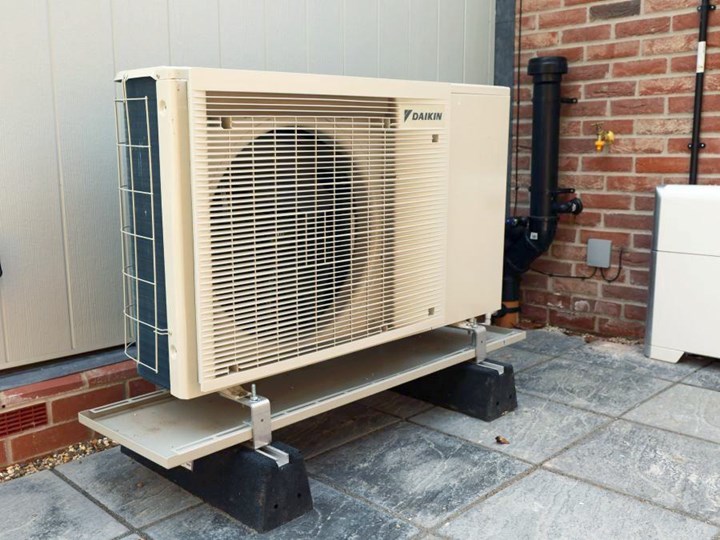
Heat pumps in a home retrofit
At our retrofit project in Cambridge, an air source heat pump was part of a wider, deep retrofit that included insulation, ventilation and solar panels as well as significant airtightness improvement measures and triple glazing.
Together, these improvements upgraded the home from EPC D to EPC A and reduced emissions to carbon positive levels.
Top tip: Heat pumps work best in well‑insulated homes - a “whole house” approach delivers the best results.
Are heat pumps suitable for your home?
Air source heat pumps can work in many properties, including older homes, but you may need:
-
Good insulation
-
Outdoor space for the unit
-
Larger radiators or underfloor heating
-
A suitable hot water cylinder
What about cost?
Upfront costs can be higher than gas boilers, but support is available. The UK Government’s Boiler Upgrade Scheme currently offers grants of up to £7,500 to help with installation for properties heated by gas, solid fuel and direct electric. This will increase in mid-July to £9,000 for properties currently heated by oil and not connected to the gas grid.
Start your greener home journey
Air source heat pumps are a practical, low‑carbon way to heat your home — especially when combined with other energy‑efficiency improvements.
Our Ferndale Rise retrofit shows that even older homes can be transformed with the right approach - making them warmer, cheaper to run and better for the environment.
Explore our guide on designing a warmer, more energy efficient home for guidance and inspiration on your own retrofit journey.
This guide has been produced with Airway Group. All figures correct at the time of writing (June 2026) and may change over time. Always confirm current details with suppliers before making a decision.
Send me details
of the A beginner’s guide to air source heat pumps
If you do not receive the email with the information attached in a few minutes, please check your "junk mail" or "spam" folder.
We promise not to give your email to anyone else or use it for any other purpose than delivering the requested information.