Rainwater harvesting is a simple way to make better use of one of our most valuable natural resources.
By collecting and storing rainwater from your roof, you can reduce the amount of mains water you use around the home and garden. Whether you're watering plants during a dry summer or supplying water to toilets and washing machines, rainwater harvesting can help you use water more efficiently.
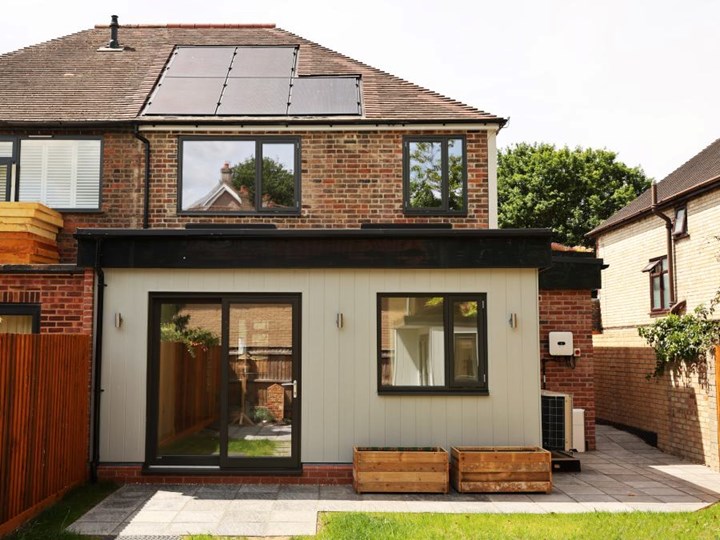
Our Ferndale Rise retrofit project demonstrates how ordinary homes can be transformed into carbon-positive, energy-efficient spaces. As more homeowners look for practical ways to live sustainably, this guide explains all about rainwater harvesting, helping you understand the options available for your own sustainable home journey.
What is rainwater harvesting?
Rainwater harvesting is the process of collecting rainwater from your roof and storing it for later use.
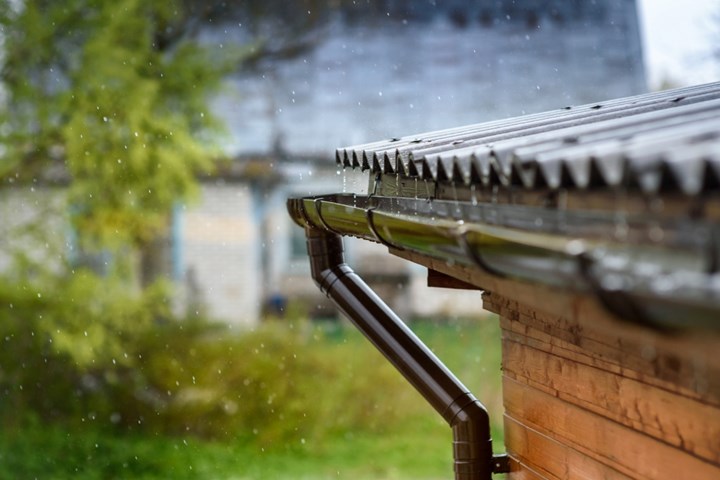
Rather than flowing straight into drains, rainwater is captured through your guttering system, filtered and stored in a tank until it's needed.
Depending on the type of system you choose, harvested rainwater can be used for:
-
Watering gardens and outdoor spaces
-
Cleaning patios, paths and vehicles
-
Flushing toilets
-
Supplying washing machines
-
Other non-drinking water uses around the home
By replacing some mains water use with harvested rainwater, households can reduce demand on treated water supplies and potentially lower their water bills.
How does rainwater harvesting work?
Most systems work in three simple steps:
- Rainwater is collected
Rain falls onto your roof and is directed into gutters and downpipes. - The water is filtered
Filters help remove leaves, moss and other debris before the water enters storage. - The water is stored and used
The filtered water is stored in a tank until it's needed for your garden or connected household appliances.
What are the benefits?
Lower water consumption
Using rainwater for everyday tasks means less reliance on treated mains water.
Better for the environment
Rainwater harvesting helps make use of a natural resource that would otherwise run into drains and reduces pressure on public water supplies.
Greater resilience during dry weather
Having a stored supply of rainwater can be particularly useful during hot, dry periods when outdoor water demand is highest.
Supports a greener home
Rainwater harvesting can complement other sustainable home improvements, such as solar panels, insulation upgrades and low-carbon heating systems.
Which system is right for you?
Water butts
For many homeowners, a water butt is the easiest way to get started.
Connected to a downpipe, it collects rainwater for watering plants, filling watering cans and other outdoor tasks. It's affordable, simple to install and requires very little maintenance.
Whole-home systems
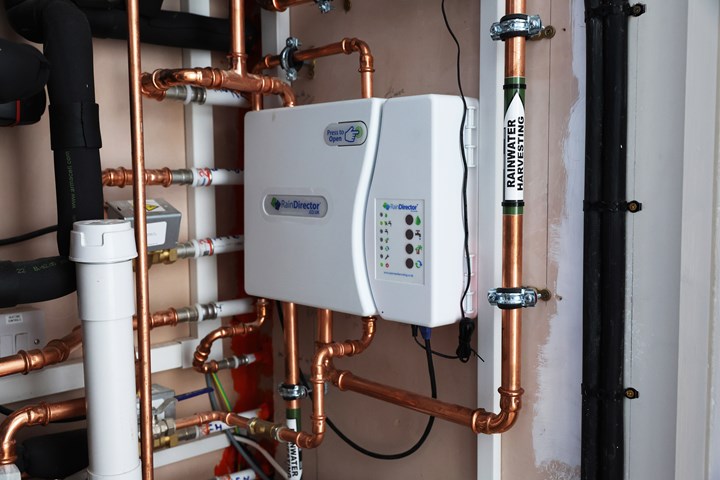
Larger rainwater harvesting systems can supply water to toilets, washing machines and outdoor taps, as well as the garden.
These systems usually include larger storage tanks, filters and pumps, and can deliver greater water savings over time.
Above-ground or below-ground?
Storage tanks can be installed above or below ground.
Above-ground tanks are generally less expensive and easier to install but are visible within the garden.
Below-ground tanks are hidden from view and can store larger volumes of water, making them a popular choice for whole-home systems.
Which system is right for you?
Water butts
For many homeowners, a water butt is the easiest way to get started.
Connected to a downpipe, it collects rainwater for watering plants, filling watering cans and other outdoor tasks. It's affordable, simple to install and requires very little maintenance.
Whole-home systems
Larger rainwater harvesting systems can supply water to toilets, washing machines and outdoor taps, as well as the garden.
These systems usually include larger storage tanks, filters and pumps, and can deliver greater water savings over time.
Above-ground or below-ground?
Storage tanks can be installed above or below ground.
Above-ground tanks are generally less expensive and easier to install but are visible within the garden.
Below-ground tanks are hidden from view and can store larger volumes of water, making them a popular choice for whole-home systems.
What happens when there isn't enough rain?
Most whole-home rainwater harvesting systems include a mains water backup.
If water levels in the storage tank become too low, the system automatically switches to mains water so toilets, washing machines and other connected appliances continue to work normally.
Is rainwater harvesting right for your home?
Rainwater harvesting can work for many property types, but it's worth considering:
-
The size of your roof
-
Available space for a storage tank
-
Your household's water usage
-
Whether you want water for garden use only or indoor use too
-
Installation and maintenance costs
Homes with larger roof areas and higher outdoor water use often see the greatest benefits.
Top tip: If you're new to rainwater harvesting, a water butt is a low-cost way to start saving water and see how much collected rainwater your household could use.
Start your sustainable water journey
Rainwater harvesting is a practical way to reduce water consumption, make better use of rainfall and improve resilience during dry weather.
Whether you begin with a simple water butt or invest in a larger whole-home system, collecting rainwater can be a useful step towards a more resource-efficient home.
This guide was created with content from Rainwater Harvesting. As with any home improvement project, it's worth researching your options and seeking professional advice to find the right solution for your property and lifestyle.
Send me details
of the A beginner's guide to rainwater harvesting
If you do not receive the email with the information attached in a few minutes, please check your "junk mail" or "spam" folder.
We promise not to give your email to anyone else or use it for any other purpose than delivering the requested information.